


A Men’s Guide to Hemorrhoids and Fissure
A men’s guide to hemorrhoids and fissure addresses two common yet distinct conditions affecting the lower gastrointestinal tract. Hemorrhoids (also known as piles) are swollen veins in the rectum or anus, while a fissure is a small tear in the lining of the anal canal.
Both conditions can result in significant discomfort, rectal bleeding, and pain, yet their management requires different tactical approaches.
Whether dealing with external hemorrhoids and fissure or a chronic case of piles, understanding the difference between hemorrhoids and fissure is the first step toward effective relief.
This guide explores the symptoms, hemorrhoids and fissure treatment options, and the necessary lifestyle adjustments required to restore pelvic health and comfort.
The Anatomy of Discomfort: Is Hemorrhoids and Fissure Same?
For many men between the ages of 20 and 40, a sudden onset of rectal discomfort is often met with confusion.
The first question usually asked is: is hemorrhoids and fissure same?
The answer is a definitive no, although they occur in the same anatomical zip code—the hemorrhoids and fissure in ano region.
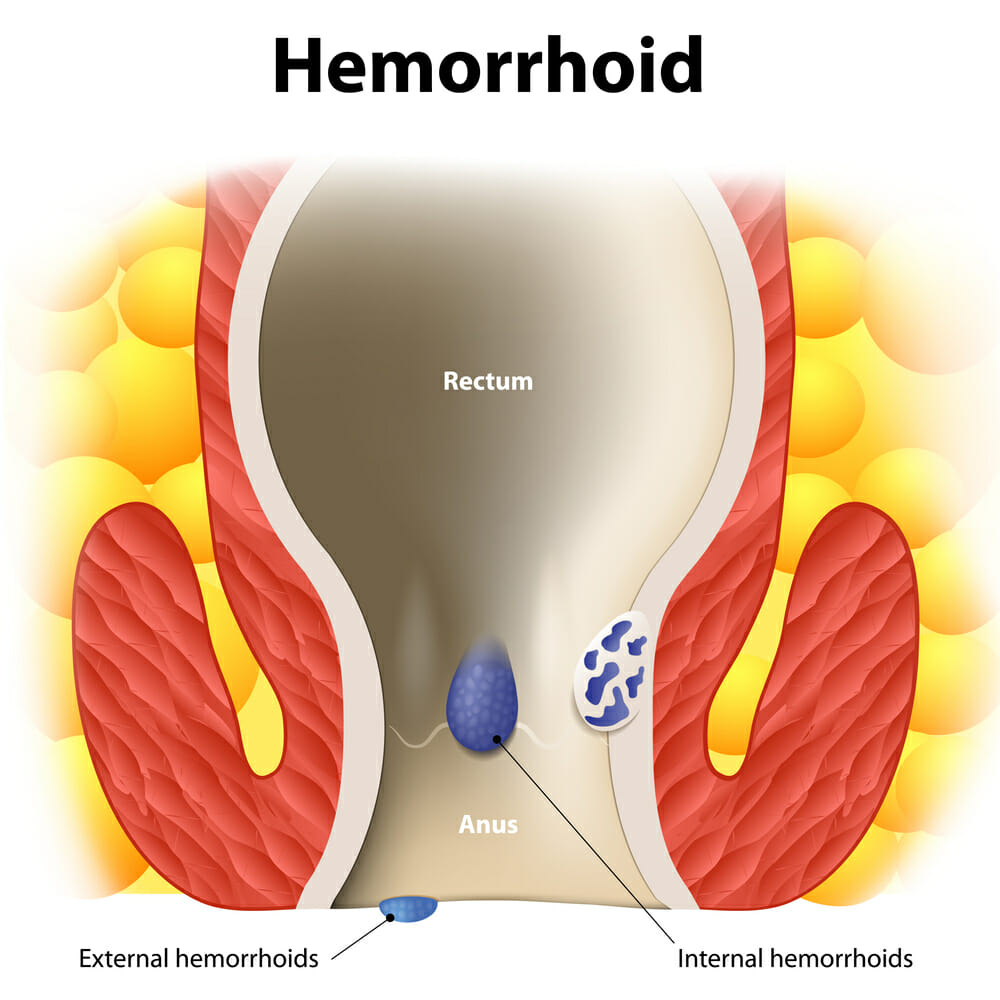
Hemorrhoids are vascular structures. Think of them like “varicose veins” of the bottom. When they become inflamed, they can be internal or external. External hemorrhoids and fissure often occur together, making it difficult for the sufferer to identify the exact source of the pain.
A fissure, however, is not a swollen vein; it is a mechanical tear. If hemorrhoids are like a bruise or a swelling, a fissure is like a paper cut.
Distinguishing between the two is vital because the hemorrhoids and fissure difference dictates the entire course of action. Applying a cooling hemorrhoids and fissure cream might soothe a swollen vein, but it may not address the underlying muscle spasm associated with a tear.
How to Tell Between Hemorrhoids and Fissure
One of the most challenging aspects for the modern man is self-diagnosis. How to tell between hemorrhoids and fissure without a clinical exam?
While a professional consultation is mandatory for a confirmed diagnosis, the nature of the pain provides a major clue.
The Nature of the Pain
In an acute fissure, the pain is often described as “glass shards” or a sharp, stabbing sensation during a bowel movement. This discomfort can linger for hours afterward as the internal sphincter muscle spasms. Conversely, the pain from hemorrhoids is typically more of a dull ache, a feeling of “fullness,” or intense itching.
If you feel a lump, you are likely looking at external hemorrhoids and fissure symptoms rather than just a tear.
The Difference Between Piles Hemorrhoids and Fissure
When people speak of “piles,” they are using the traditional term for hemorrhoids. The difference between piles hemorrhoids and fissure is essentially the difference between a plumbing issue (piles/hemorrhoids) and a structural breach (fissure).
Piles bleed easily because the vein walls are thin and under pressure; a fissure bleeds because the tissue has been physically ripped.
| Symptom | Hemorrhoids (Piles) | Fissure |
| Pain Type | Dull, itchy, throbbing. | Sharp, stabbing, burning. |
| Bleeding | Bright red, often on the paper. | Bright red, usually on the stool surface. |
| Physical Sign | Lumps or “prolapse.” | No lumps, visible skin tag (if chronic). |
| Duration | Can be chronic or intermittent. | Often acute, can become chronic. |
Hemorrhoids and Fissure Together: The Double Trouble
It is a common medical reality to suffer from hemorrhoids and fissure at same time. Because both conditions are frequently caused by the same mechanical stressors—such as constipation, straining, or long periods of sitting—they are often “roommates.”
When you have hemorrhoids and fissure together, the treatment plan becomes a multi-pronged strategy. You must address the swelling of the veins while simultaneously allowing the tear to heal.
This is where a specialized hemorrhoids and fissure ointment comes into play. These formulations often combine a vasoconstrictor to shrink the piles and a soothing agent to protect the delicate fissure site.
Tactical Hemorrhoids and Fissure Treatment
For men who value efficiency, the goal is always the fastest path to recovery. Hemorrhoids and fissure treatment is generally divided into conservative management and surgical intervention.
Creams and Ointments
For mild to moderate cases, a hemorrhoids and fissure cream is the first line of defense. Look for products containing:
- Hydrocortisone: To reduce inflammation.
- Lidocaine: To numb the acute pain.
- Nitroglycerin: Specifically for fissures, this helps relax the sphincter muscle and increase blood flow to the tear for faster healing.
- Witch Hazel: A natural astringent often found in hemorrhoids and fissure ointment to soothe itching.
Homeopathic and Natural Options
Some men prefer a less “clinical” approach. Homeopathic medicine for hemorrhoids and fissure often focuses on substances like Hamamelis or Aesculus hippocastanum.
While these can provide symptomatic relief, it is essential to ensure they are used as a complement to, rather than a replacement for, high-fiber intake and hydration.
When Conservative Care Fails: Hemorrhoids and Fissure Surgery
When a condition becomes chronic, it may be time to consult a colorectal specialist about hemorrhoids and fissure surgery.
For hemorrhoids, procedures like “Banding” (rubber band ligation) or “Hemorrhoidectomy” are common. For a chronic fissure that refuses to heal, a “Lateral Internal Sphingterotomy” (LIS) is often the gold standard. This minor surgery involves making a small cut in the sphincter muscle to relieve tension and allow the area to heal. While the idea of surgery in this region is daunting, the success rate is incredibly high, often providing the first pain-free moments in years.
Kindness to the Self: The Mental Hurdle
This topic is inherently interesting for everyone because rectal health is a universal human experience that is frequently shrouded in shame.
For men specifically, there is often a “tough it out” mentality that prevents them from seeking a hemorrhoids and fissure ointment or a doctor’s advice until the pain is unbearable.
This philosophy applies to our own bodies. Choosing to treat a hemorrhoids and fissure case early is an act of kindness to oneself. It is about acknowledging that you deserve a life free from chronic discomfort.
In a world that often demands we ignore our physical needs to stay productive, taking the time to address your health is a radical and necessary act of empathy.
The Preventative Blueprint: The “No-Strain” Life
To avoid having to differentiate hemorrhoids and fissure in the future, you must change your bathroom habits.
- Fiber is King: Aim for 30-35 grams of fiber daily. This keeps the stool soft, preventing the mechanical strain that causes a fissure or inflames hemorrhoids.
- Hydration: Fiber without water is like cement. You need both to keep the system moving.
- The Squatty Position: Using a small stool to elevate your feet changes the angle of the rectum, making elimination much smoother and reducing the risk of hemorrhoids and fissure in ano.
- Limit “Phone Time”: Do not sit on the toilet for longer than 5-10 minutes. The seated position on a toilet puts direct pressure on the veins, leading to external hemorrhoids and fissure flare-ups.
FAQ: Expert Intel for Pelvic Health
Q: How to differentiate hemorrhoids and fissure if there is bleeding?
A: In both, the blood is usually bright red. However, in hemorrhoids, the blood might drip into the bowl.
In a fissure, the blood is more likely to be a streak on the side of the stool or a bright red spot on the toilet paper after a very painful “sharp” movement.
Q: Can I use hemorrhoids and fissure cream indefinitely?
A: No. Many creams contain steroids like hydrocortisone, which can thin the skin if used for more than a week. Always follow the directions on your hemorrhoids and fissure ointment.
Q: Is hemorrhoids and fissure same as cancer?
A: No. However, rectal bleeding should always be evaluated per a professional to rule out more serious conditions. Do not assume it is just hemorrhoids without a check-up.
Q: How long does a fissure take to heal?
A: An acute fissure can heal in 4-6 weeks with proper diet and hemorrhoids and fissure treatment.
If it lasts longer than 8 weeks, it is considered chronic and may require specialized intervention.
Q: Can exercise cause hemorrhoids?
A: Heavy weightlifting, especially “holding your breath” while straining, can increase intra-abdominal pressure and lead to hemorrhoids. Focus on proper breathing techniques to protect your pelvic floor.
Conclusion: Taking Control of Your Comfort
Navigating the difference in hemorrhoids and fissure is a critical skill for the modern man. These conditions are not just “annoyances”—they are signals from your body that your lifestyle or habits require adjustment.
Whether you are currently treating hemorrhoids and fissure together or trying to prevent an acute episode from becoming chronic, the key is proactive care.
Don’t let embarrassment stand in the way of your well-being. Use the right hemorrhoids and fissure ointment, prioritize your fiber, and remember that being a role model for health starts with how you treat your own body.