If you are comparing chain link vs wood fence security Washington property owners commonly ask about, the short answer is this: chain-link fencing usually wins for visibility, strength, and lower maintenance, while wood fencing wins for privacy and residential curb appeal. The better choice depends on whether you need deterrence, screening, budget control, or neighborhood aesthetics.
In Washington State, fencing decisions are also shaped by rain, moss, coastal moisture, windstorms, and city lot sizes. A business yard in Seattle may need strong perimeter protection, while a Tacoma homeowner may care more about backyard privacy.
Both chain-link and wood fencing can improve security when installed correctly, but they solve different problems.
This guide compares real-world performance, costs, maintenance, and best uses so you can choose the right security fence for your Washington property.
Why Security Fencing Matters in Washington State
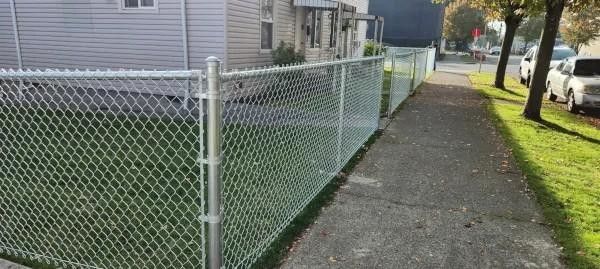
Security fencing does more than mark boundaries. It helps:
- Deter trespassing
- Protect children and pets
- Secure tools or equipment
- Control property access
- Improve privacy
- Add resale appeal
Urban areas like Seattle, Bellevue, and Tacoma often prioritize theft prevention and privacy. Rural and commercial properties may prioritize durability and visibility instead.
Chain Link vs Wood Fence Security Washington: Quick Comparison
| Feature | Chain-Link Fence | Wood Fence |
| Security Strength | High | Moderate to High |
| Privacy | Low (unless slats added) | High |
| Maintenance | Low | Moderate to High |
| Lifespan | 20–30+ years | 15–25 years |
| Visibility | Excellent | None |
| Cost | Lower | Higher in many cases |
| Curb Appeal | Functional | Strong |
| Weather Resistance | Strong | Depends on upkeep |
If pure perimeter security is your top priority, chain-link often leads. If privacy and appearance matter more, wood fencing can be the better fit.
Chain-Link Fence Security Advantages
Chain-link fencing is widely used for commercial yards, side boundaries, schools, sports areas, and residential security because it is hard to break quickly and easy to monitor.
1. Clear Visibility
Because you can see through chain-link, intruders have fewer hiding spots. Property owners can monitor gates, yards, and alley access more easily.
2. Strong Steel Construction
Galvanized or vinyl-coated steel mesh resists impact better than many residential wood panels.
3. Lower Long-Term Maintenance
No staining, sealing, or frequent board replacement. This matters in wet Washington weather.
4. Good Value for Large Lots
For long perimeter runs, chain-link is often more cost-effective than cedar fencing.
For homeowners and businesses comparing layouts, chain-link fence installation Bellevue WA projects often include taller heights, privacy slats, or secure gate systems for added protection.

Wood Fence Security Advantages
Wood fencing remains popular in Washington neighborhoods because it combines privacy with a warm residential look.
Many homeowners choose wood not because it is stronger than steel, but because it blocks visibility.
1. Full Privacy Barrier
A solid cedar fence prevents outsiders from seeing tools, vehicles, children, or backyard activity.
2. Noise Reduction
Wood absorbs sound better than chain-link, making it useful near roads or active neighbors.
3. Better Curb Appeal
Wood fencing complements craftsman, traditional, and Pacific Northwest home styles.
4. Height Flexibility
Six-foot privacy fences are common in Washington suburbs, depending on local code rules.
Important Note
Wood can be climbed, kicked loose if neglected, or weakened by rot if not maintained.
Which Fence Is Harder to Break Into?
Security depends on design, height, hardware, and installation quality.
Chain-Link Fence
Harder to push through quickly. Strong posts and steel mesh create durable resistance. However, standard chain-link can be climbed unless topped or modified.
Wood Fence
Harder to see through and often psychologically discourages trespassing. But thin or aging boards may be easier to damage than steel mesh.
Best Real-World Answer
- Need deterrence + visibility = chain-link
- Need concealment + privacy = wood
- Need both = chain-link with privacy slats or upgraded wood with reinforced framing
Washington Weather Performance: Rain, Moss, and Wind
Washington climate matters more than many buyers realize.
Chain Link vs Wood Fence Security Washington Weather Test
Chain-Link in Wet Weather
Benefits:
- No rot
- Minimal moss buildup
- Strong in rain
- Good drainage around posts
Watch for:
- Rust on lower-quality materials
- Coastal corrosion if untreated
Wood in Wet Weather
Benefits:
- Natural look
- Strong when maintained
Watch for:
- Rot at post bases
- Moss growth
- Board warping
- Loose fasteners over time
Western Washington homeowners usually need more fence maintenance than drier eastern regions like Spokane.
Which Fence Is Better for Homes vs Businesses?
Best for Residential Homes
Wood fencing often wins where:
- Backyard privacy matters
- HOA appearance matters
- You want higher resale appeal
- Noise reduction is helpful
Best for Commercial Properties
Chain-link often wins where:
- Visibility matters
- Large lots need coverage
- Equipment storage needs protection
- Budget per linear foot matters
Many contractors recommend consulting a security fencing company Washington State property owners trust when securing warehouses, service yards, apartment lots, or mixed-use sites.
Cost Comparison in Washington State
Installed pricing varies by terrain, access, city, and materials.
| Fence Type | Estimated Installed Cost |
| Standard Chain-Link | $30–$55 per linear foot |
| Vinyl-Coated Chain-Link | $40–$70 per linear foot |
| Cedar Wood Privacy Fence | $55–$95 per linear foot |
| Premium Wood Fence | $80–$120+ per linear foot |
Seattle and Bellevue labor rates are often higher than smaller towns. Publishers should verify current market pricing.
Maintenance Comparison
Chain-Link Fence
Typical upkeep:
- Wash occasionally
- Tighten hardware
- Inspect gates
- Spot rust if older metal
Wood Fence
Typical upkeep:
- Clean moss yearly
- Stain every 2–4 years
- Replace damaged boards
- Inspect posts for rot
- Re-secure rails
Over 10+ years, wood fencing often costs more to maintain.
Best Security Upgrades for Either Fence
Whether you choose wood or chain-link, these upgrades matter:
- Lockable steel gate hardware
- Motion lighting
- Security cameras
- Taller fence heights where allowed
- Concrete-set posts
- Anti-climb landscaping near fence lines
- Smart gate access controls
A weak gate often fails before the fence itself.
Which Fence Adds More Property Value?
For residential resale, wood fencing often appeals more to buyers because it looks warmer and offers privacy.
For rental, commercial, or utility properties, chain-link may provide better ROI because of lower installation and maintenance costs.
Final Verdict: Which Is Better?
Choose chain-link if you want:
- Strong perimeter security
- Visibility
- Lower maintenance
- Lower cost for large lots
Choose wood if you want:
- Backyard privacy
- Better aesthetics
- Noise buffering
- Traditional residential appeal
Some Washington owners combine both: chain-link on side/rear utility areas and wood fencing in visible living spaces.
Conclusion
When comparing chain link vs wood fence security Washington property owners should focus on their actual goal.
Chain-link is often best for strength, visibility, and value, especially for businesses or large perimeters. Wood fencing is usually better for privacy, curb appeal, and residential comfort.
In Washington’s wet climate, maintenance should also factor into the decision. The best fence is the one that matches your property layout, budget, and security priorities.
FAQ Section
1. Is chain-link fence more secure than wood fence?
Usually yes for perimeter strength and visibility. Steel mesh is durable and easier to monitor, while wood provides privacy but may require more upkeep.
2. Does wood fencing increase home value more than chain-link?
For many residential buyers, yes. Wood privacy fencing often improves curb appeal and backyard usability more than standard chain-link.
3. Which fence lasts longer in Washington rain?
Quality chain-link often lasts longer with less maintenance. Wood can last many years too, but it needs sealing, repairs, and regular inspections.
4. Can chain-link fencing be made private?
Yes. Privacy slats, screens, or landscaping can reduce visibility while keeping the strength benefits of chain-link.
5. What is cheaper in Washington State, wood or chain-link?
Standard chain-link is usually less expensive to install than cedar privacy fencing, especially on large lots or commercial properties.