


Lighting is essential in creating the mood and functionality of a space. When it comes to designing the right ambiance in your home, or revamping an existing room, lighting design is a thoughtful process that requires careful consideration.
Every detail plays a part in how the atmosphere is created, from the selection of bulbs, to the strategic layering of light sources.
In this guide, we’ll walk you through the basics of lighting, including the dos and don’ts of lighting to help you achieve a balanced and beautifully lit space.
If you’re looking for premium lighting options, speciality lighting stores like Luxury Lighting Boutique provide a variety of stylish and functional solutions to take any room from drab to fab.
The Power of Layered Lighting
Layering is one of the key principles of lighting design. Layered lighting is the combination of many different types of light sources to add depth and visual interest. This approach enhances the functionality and the mood of a room by offering different levels of light for different activities and settings.
Dos: Combine Task, Ambient, and Accent Lighting
To have a well rounded lighting scheme you should have three types of lighting: ambient, task and accent lighting.
Ambient lighting is the main light source in the room, like ceiling lights or chandeliers. Task lighting is intended to fit a particular need, like reading lights or undercabinet lighting.
Accent lighting focuses on specific features or art in a space. By combining these factors together, you can come up with a functional, yet welcoming lighting design that is dynamic and versatile.
Don’ts: Overlook the Importance of Balance
Layering is important, but too much can make for an uncomfortable, cluttered lighting scheme.
Don’t use too many light sources in the same place or use too bright light. Too many bright lights can make a space feel harsh and uninviting. Striving for a balanced distribution of light sources will help you maintain a calm and harmonious environment.
Choosing the Right Bulbs
The positioning of your bulbs is just as important as the bulbs you choose. Colors of bulbs also vary in terms of color temperature, brightness, and energy efficiency, which can affect the way your space feels.
Dos: Select the Appropriate Bulb for Each Space
If you want a nice, warm, cozy setting, you should go with lower Kelvin rated bulbs (2700K–3000K).
These give a soft, yellowish glow that is ideal for living rooms and bedrooms. Cooler bulbs (4000K–5000K) produce a bright, white light that is great for kitchens or bathrooms where clarity and visibility are important.
Also, LED bulbs are energy efficient, long lasting and offer great value for your money and lower your carbon footprint.
Don’ts: Use Too Bright or Harsh Lighting
Avoid using overly bright bulbs in spaces meant for relaxation, like bedrooms or lounges. Harsh lighting can create an uncomfortable environment and strain the eyes.
Similarly, using bulbs that are too dim in spaces requiring focused activity, such as work areas or kitchens, will make tasks more difficult and less enjoyable.
It’s crucial to match the light’s intensity and color with the room’s purpose.
Placement Matters: The Right Position for Every Light
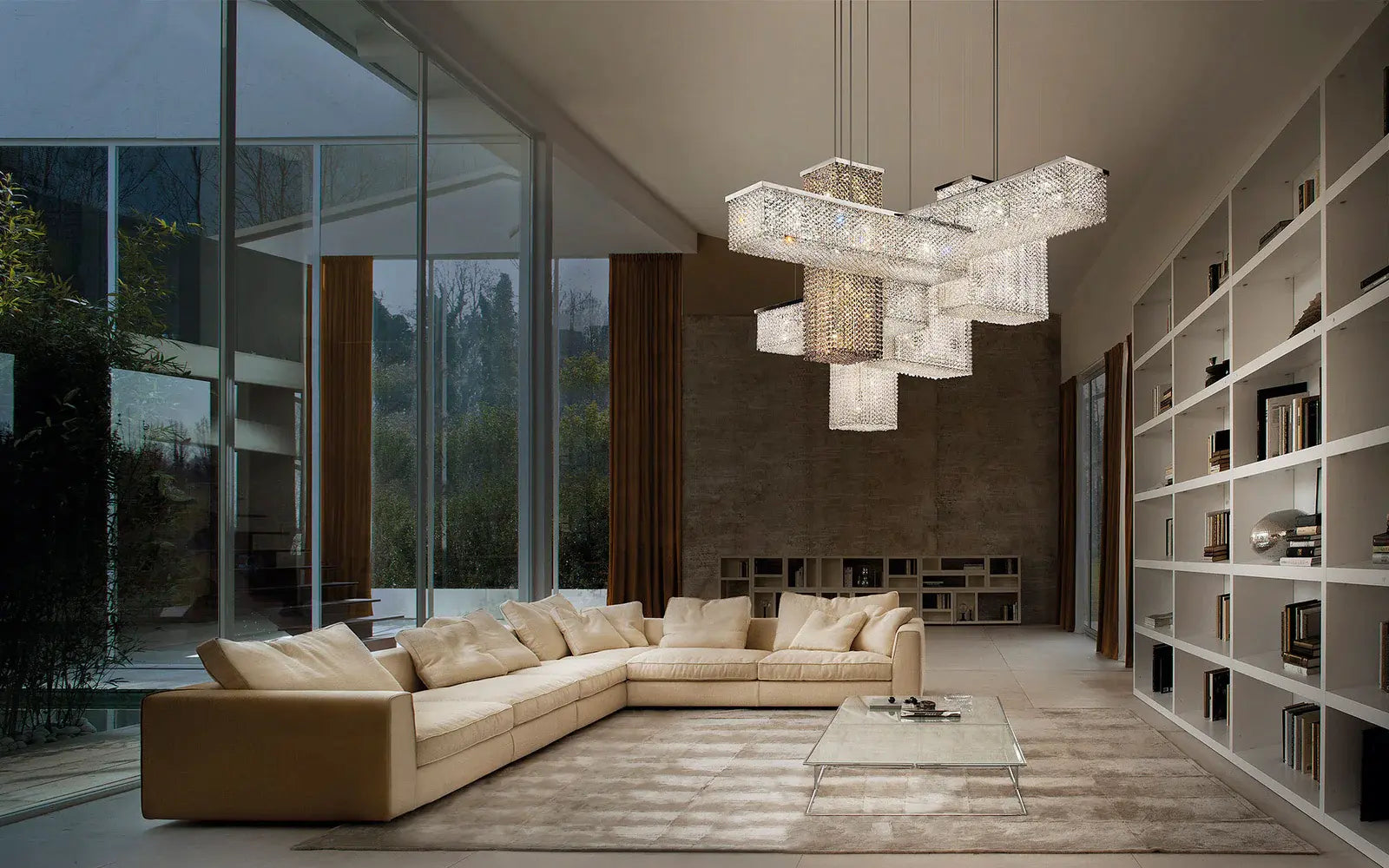
The placement of your lights is just as important as what type of light you use. Bad placement can cause shadows, glare, or uneven lighting, which can spoil the room ambiance.
Dos: Focus on Key Areas
When you place your lights, consider the function of the room. Ambient lighting can be placed centrally in the living room to fill the room, while accent lights can be used to highlight artwork or architectural features. Task lighting should be directed at countertops and workspaces in the kitchen so that there is enough visibility.
Also, make use of adjustable fixtures or dimmers to fine tune the lighting according to time of day or desired mood.
Don’ts: Forget to Consider Height and Direction
Another common mistake is not thinking about the height of lights installed. Low overhead lights can cast harsh shadows and high overhead lights may not be bright enough.
Also, don’t point lights directly at eye level, which can cause glare and discomfort. Plan the placement of your fixtures in such a way as to complement the design and function of the room.
Layering Light for Function and Aesthetic
Lighting is not only about illumination, but also about creating mood. It can be used to enhance the style of the room and evoke emotions, becoming a central player in interior design.
Dos: Use Dimmers and Smart Controls
Add dimmers or smart lighting systems so that you can control how bright your lights are based on the occasion or time of day. With dimmers you can control the atmosphere, from bright task lighting to soft ambient lighting when relaxing or entertaining.
With smart systems, you can also control lighting through apps or voice commands.
Don’ts: Neglect the Mood
The biggest mistake is focusing only on practical lighting and ignoring the ambiance. In an office or kitchen, bright, functional lighting might work, but in a living room, you need to consider mood, too.
Dimmable lights can be mixed with accents to create an environment that welcomes you and adjusts to your needs, whether you are hosting a dinner party or unwinding after a long day.
Elevate Your Space with Thoughtful Lighting
Lighting is vital to creating a functional, beautiful and comfortable space. If you follow the dos and don’ts of lighting design, you can avoid the common mistakes and make sure your space is perfectly lit every time.
Light layering, choosing the right bulbs and thinking about the placement and function of every light source is key. With proper planning and execution, you can achieve the perfect ambiance for every room in your house.