


In an era dominated by automated factories and mass manufacturing, physical goods have become remarkably easy to produce, copy, and distribute.
Store shelves and online marketplaces are filled with identical decor items, cloned wall prints, and uniform plastic figures. While mass production offers low prices and immediate convenience, it lacks the soul, individuality, and technical skill found in handmade creations.
For art enthusiasts and home decorators alike, choosing original handcrafted pieces over mass-produced alternatives changes how a living space feels. Collecting authentic art and crafts supports human craftsmanship, preserves historical techniques, and brings genuine character into modern homes.
The Problem With Mass Production in Art and Decor
Mass-produced home decor relies on high-speed factory assembly lines, synthetic composite materials, and automated printing processes.
While this system keeps production costs minimal, it introduces several distinct drawbacks for consumers who value longevity and uniqueness.
Homogeneity and the Loss of Uniqueness
When thousands of identical canvas prints or molded plastic figurines leave a single factory, those items lose personal identity. A home decorated entirely with mass-market products risks looking like an anonymous furniture catalog display. Mass-produced items lack the subtle variations, human touch, and unique imperfections that give handcrafted objects real charm.
Synthetic Materials and Planned Obsolescence
To maximize profit margins, large-scale factories frequently use inexpensive materials such as plastic resins, pressed sawdust, particleboard, and low-grade synthetic dyes. These items are rarely designed to last.
Over time, sunlight fades cheap prints, synthetic resin turns brittle, and pressed wood splits, eventually forcing owners to discard damaged decor in local landfills.
The True Value of Handcrafted Original Art
Handcrafted art represents a dedicated commitment to material quality, historical skill, and creative intent.
Whether crafted by an experienced woodworker, a ceramicist, a painter, or a textile artist, every handmade piece carries a distinct physical identity.

Mastery of Skill and Superior Materials
Artisans dedicate years to mastering traditional physical techniques. They select premium raw materials, including solid hardwoods, natural clay, genuine metals, and rich oil pigments.
For example, collectors who appreciate historical woodworking often collect meticulously hand-carved wooden airplane models to showcase solid grain patterns, detailed joinery, and artisanal precision that automated plastic molds simply cannot replicate.
Emotional Connection and Intentionality
Creating an original piece requires hundreds of deliberate choices, ranging from initial design sketches to final surface polishing. When you collect handcrafted objects, you purchase the creator’s time, vision, and physical labor.
Interacting with these pieces daily builds a meaningful personal connection to the creative process behind them.
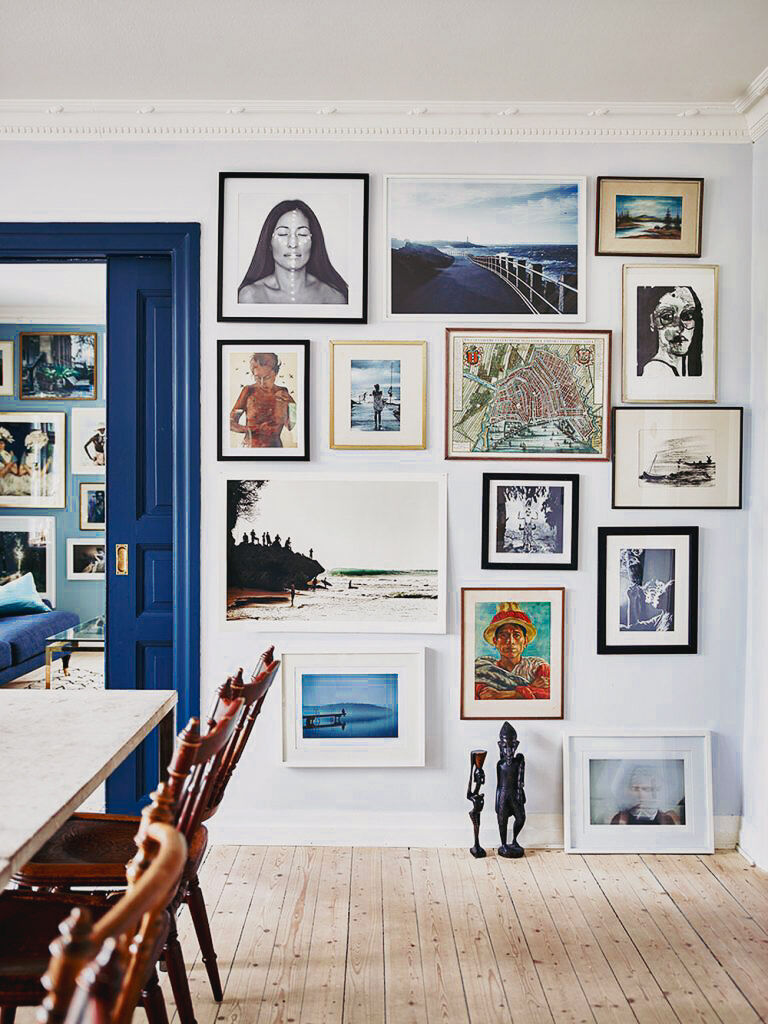
The Financial and Environmental Impact of Art Collecting
Beyond personal aesthetic enjoyment, collecting original handcrafted work delivers broader financial, cultural, and environmental benefits.
Supporting Independent Artisans and Local Economies
Purchasing mass-produced items sends profits directly to large corporate retail chains and distant manufacturing conglomerates. In contrast, acquiring original art supports independent creators, small family workshops, and local craft cooperatives directly.
This direct financial support allows traditional craftspeople to keep heritage skills alive while earning a sustainable livelihood.
Environmental Sustainability and Heritage Longevity
Handcrafted items are built to endure for generations. Craftsmen prioritize durable materials and traditional construction methods, ensuring their creations survive daily handling and aging.
By choosing durable handmade objects over cheap, disposable decor, collectors reduce environmental waste and build meaningful heirlooms that can pass down through generations.
Potential Financial Appreciation
Mass-produced decor loses almost all financial value the moment it leaves a retail store. Conversely, original artwork, limited-edition crafts, and fine handmade sculptures frequently maintain or increase their market value over time.
As an artist’s reputation grows, early works become sought-after items among specialized gallery collectors.
Building a Meaningful Collection
Transitioning from mass-produced decor to authentic handcrafted art does not require a massive immediate budget. Start small by seeking out local craft markets, independent studio exhibitions, and specialized artisan cooperatives.
Focus on collecting pieces that evoke personal curiosity, display high material craftsmanship, and tell a compelling visual story.
Choosing handcrafted original art transforms your living space into an authentic expression of personal taste, artistic heritage, and human creativity.