Key Takeaways:
- Puzzle games enhance cognitive functions such as memory, problem-solving, and attention to detail.
- Engaging in puzzles can reduce stress and promote mental well-being.
- Regular participation in puzzle activities may help delay cognitive decline associated with aging.
Table of Contents:
- Introduction
- Cognitive Benefits of Puzzle Games
- Stress Reduction and Mental Well-being
- Delaying Cognitive Decline
- Social Interaction and Puzzles
- Types of Puzzle Games and Their Benefits
- Incorporating Puzzles into Daily Life
- Conclusion
Introduction
Puzzle games do far more than entertain; they act as powerful contributors to lifelong mental agility and brain health. Daily engagement with crosswords, Sudoku, or other mental challenges can provide robust support for cognitive function, emotional well-being, and overall quality of life. If you’re looking to enhance your brain’s performance or unwind while staying sharp, click here to explore a world of puzzles designed for every interest and skill level.
Studies suggest that consistently challenging your mind may yield measurable improvements in focus, memory retention, and the ability to break down complex problems. As technology advances, puzzle games have become more accessible to people of all ages and backgrounds, offering everyone an opportunity to develop and sustain cognitive abilities.
Engaging with puzzles doesn’t just hone mental faculties; it provides a satisfying sense of accomplishment and an enjoyable distraction from everyday pressures. Whether approached alone or as a group activity, these challenges are both stimulating and deeply rewarding.
The mental exercises found in puzzle gaming strengthen neural pathways, and there’s growing evidence that these activities can act as a buffer against age-related decline, providing lasting value at both the individual and social levels.
Cognitive Benefits of Puzzle Games
Memory Enhancement
Puzzle games provide a dynamic workout for your memory. Each attempt to solve a puzzle such as remembering numbers in Sudoku or matching pieces in a jigsaw, forces the brain to establish and reinforce neural connections. According to a study published in PubMed, regular mental challenges can improve both short- and long-term memory, especially when practiced regularly.
Problem-Solving Skills
Tackling puzzles encourages critical thinking and creative strategy. These activities require you to approach problems from multiple angles, enhancing logical reasoning and boosting your ability to parse complex sets of information.
By practicing problem-solving through games, you build a framework that can be applied to challenges both inside and outside of gaming.
Attention to Detail
Many puzzles demand a sharp eye for detail, compelling players to notice subtle differences in shapes, words, or number patterns. Over time, practicing with intricate puzzles translates into an increased ability to concentrate and spot important details in daily life.
Stress Reduction and Mental Well-being
Immersing yourself in a puzzle game can create a meditative state that redirects the mind away from worries and everyday stressors. When you focus on finding a solution, your mind enters a state of flow a sense of being absorbed in the task at hand.
Completing a challenging puzzle offers a surge of satisfaction and may help reduce anxiety, laying the foundation for better overall mental health. This meditative approach makes puzzles a practical tool for decompressing after a long day and improving emotional balance.
Delaying Cognitive Decline
Engaging in mentally stimulating activities, such as puzzles, has shown promise in delaying or mitigating the effects of cognitive aging. Building a “cognitive reserve,” mental resilience developed through challenging activities can help reduce the risk or severity of age-related cognitive disorders. Research from the Alzheimer’s Association highlights the positive role brain games can play in preserving memory and functionality as we age.
Incorporating puzzles into your daily routines helps foster the mental agility needed to adapt and thrive, especially later in life. These benefits are most pronounced when puzzles become a lifelong habit rather than a sporadic diversion.
Social Interaction and Puzzles
While many puzzle games are enjoyed solo, there is immense value in solving puzzles with others. Collaborative play stimulates communication and enables shared learning, both of which are vital for emotional and cognitive resilience. Puzzle clubs, group challenges, and digital multiplayer formats provide opportunities to foster friendships and combat loneliness, a significant factor in long-term mental health.
Besides the cognitive and emotional benefits, engaging with others over a shared challenge can reignite a competitive spark, sustain motivation, and create lasting memories with friends and family.
Types of Puzzle Games and Their Benefits
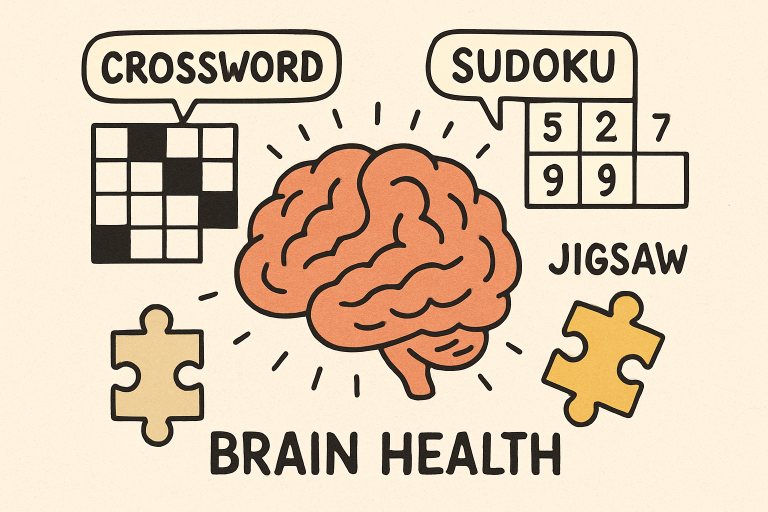
Crossword Puzzles
Crosswords are well known for enhancing language, spelling, and verbal reasoning skills. The hunt for just the right word exercises memory and vocabulary, while clues often require creative and lateral thinking.
Sudoku
Sudoku’s rule-based gameplay stimulates logic and pattern recognition, challenging players to juggle numbers, memory, and deduction to arrive at solutions. This classic number puzzle is especially useful for bolstering reasoning capacity.
Jigsaw Puzzles
Jigsaw puzzles engage visual-spatial reasoning and attention to detail. Matching shapes and images helps refine the ability to see parts in relation to the whole a skill transferable to various real-world tasks.
Other Puzzle Styles
Additional puzzles, such as word searches, logic grids, and brain teasers, each offer unique benefits and can be tailored to individual preferences and cognitive needs.
Incorporating Puzzles into Daily Life
Making puzzles part of your everyday routine doesn’t have to be hard. Start by dedicating a short period each day to a puzzle of your choice: morning crosswords with coffee, a midday Sudoku break, or winding down with a jigsaw before bed. Consider choosing favorites that align with your interests; whether you prefer numbers, logic, words, or images, there’s no shortage of engaging options.
Joining puzzle communities, local clubs, or online forums can provide motivation and a sense of belonging. Not only do these groups offer a platform to share strategies, but they also extend the enjoyment and social benefits of puzzle-solving.
Conclusion
Puzzles provide a meaningful path to brain health by combining fun and challenge. From boosting cognitive performance to improving mood and extending social connections, the positive effects are well-supported by research.
Incorporate regular puzzle play into your routine and enjoy the lifelong benefits of a sharper, happier mind.