Understanding Storm Damage Restoration
Storm damage restoration is the process of repairing and restoring a property after it has been affected by severe weather conditions such as hurricanes, tornadoes, hailstorms, or heavy rains.
This comprehensive approach addresses both visible and hidden damages to ensure the safety and integrity of the home.
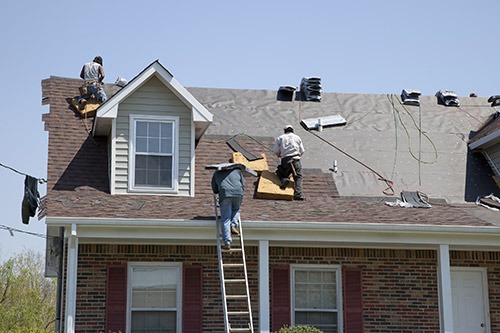
Immediate Steps After Storm Damage
Ensure Safety: Before inspecting your home, prioritize safety. Look out for downed power lines, gas leaks, and structural damages. Avoid entering severely damaged structures until they are deemed safe.
Tighe, P.A.
Document the Damage: Take clear photographs and videos of all damages, including affected exteriors, interiors, and personal belongings. This documentation is crucial for insurance claims.
Contact Your Insurance Provider: Notify your insurance company promptly. Provide them with the documented evidence and follow their guidance on the claims process.
Prevent Further Damage: If safe, take temporary measures to prevent additional damage, such as covering broken windows or placing tarps over roof leaks.
Hire a Professional Restoration Service: Engage a reputable company as Everest Exteriors – Storm Damage Restoration to assess and repair the damages thoroughly.
Assessing Damage to Home Exteriors
Storms can cause significant damage to the exteriors of homes. Common issues include:
Roof Damage: Missing shingles, punctures, or structural compromises.
Siding Damage: Cracks, holes, or detachment due to high winds or debris.
Window and Door Damage: Broken glass, damaged frames, or misalignments.
Gutter and Downspout Issues: Blockages, detachment, or damage leading to improper drainage.
A thorough inspection by professionals can identify both obvious and subtle damages, ensuring comprehensive restoration.
Navigating Insurance and Liability
Understanding your insurance coverage is vital in the restoration process.
Policy Review: Familiarize yourself with what your homeowner’s insurance covers regarding storm damage.
Liability Considerations: Determine if any damages fall under personal liability, especially if neighboring properties are affected.
Claim Process: Work closely with your insurance adjuster, providing all necessary documentation and information to facilitate the claim.
Choosing the Right Storm Damage Restoration Service
When selecting a restoration company:
Verify Credentials: Ensure they are licensed, insured, and have positive reviews.
Experience Matters: Choose companies with a proven track record in storm damage restoration.
Comprehensive Services: Opt for services that handle everything from assessment to final repairs.
Transparent Communication: They should provide clear timelines, cost estimates, and keep you informed throughout the process.
Preventative Measures for Future Storms
While not all storm damages can be prevented, certain measures can minimize risks:
Regular Maintenance: Keep roofs, gutters, and exteriors in good condition.
Secure Loose Items: Ensure outdoor furniture and other items are secured or stored during storm warnings.
Install Storm Shutters: Protect windows and doors from flying debris.
Landscape Wisely: Trim trees and remove dead branches that could fall during storms.
FAQs on Storm Damage Restoration
Q: How quickly should I act after storm damage?
A: Immediate action is crucial. Address safety concerns first, then document damages and contact your insurance and restoration professionals promptly.
Better Homes & Gardens
Q: Will my insurance cover all restoration costs?
A: Coverage varies based on your policy. Review your insurance details and discuss with your provider to understand what is covered.
Q: Can I perform some restoration tasks myself?
A: While minor tasks can be DIY, it’s recommended to have professionals handle significant damages to ensure safety and proper repairs.
Q: How long does the restoration process take?
A: The duration depends on the extent of the damage. A professional assessment can provide a more accurate timeline.
Q: How can I prepare my home for future storms?
A: Regular maintenance, installing protective features like storm shutters, and having an emergency plan can enhance your home’s resilience.
Conclusion
Storm damage can be overwhelming, but with prompt action and the right support, restoration is achievable.
Prioritize safety, understand your insurance coverage, and engage experienced professionals to restore your home effectively. Taking preventative measures can also safeguard your property against future storms.