


Umrah is not a new concept of worship; it is an ancient tradition dating back to 629 CE, when Prophet (PBUH) performed it for the first time. This event followed the treaty of Hudaybiyyah, which allowed Muslims to enter Mecca peacefully and perform pilgrimage.
However, the roots of Umrah trace back even further to the time of Prophet Ibrahim (AS), who, along with his son, laid the base of the Holy Kaaba.
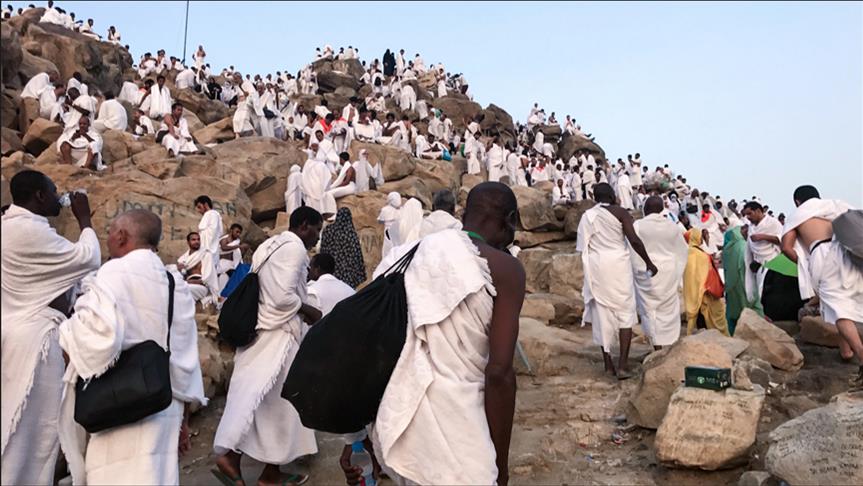
This ancient practice has been carried on through generations. Today, millions of Muslims head to Mecca for this sacred worship. Following the footsteps of revered prophets, these pilgrims keep the Umrah tradition alive.
Let’s briefly look at the evolution of this optional pilgrimage from the days of Prophet Ibrahim to the modern era.
The Origins
Miracle of Zamzam
It is believed that Umrah’s journey began with Prophet Ibrahim (AS), one of the major figures in Islam.
According to religious teachings, the Prophet Ibrahim (AS) was commanded by Allah to leave his wife Hajra and their infant son Ismail (AS) in the secluded valley of Mecca. This obedience and strong faith laid the base for significant Umrah rites.
Hajra’s desperate search for water, anxiously running between Safa and Marwah, is still commemorated during Sa’i. Allah rewarded her firm faith and perseverance with the miracle of Zamzam. This well is still flowing to quench the thirst of pilgrims. Whether it is Hajj or Umrah, none is complete without Sa’i.
Building the Holy Kaaba
When Ismail (AS) grew older, Allah ordered Ibrahim (AS) to build the Holy Kaaba at the point where Zamzam erupted. This command is mentioned in the Quran as:
“And remember when Ibrahim and Ismail raised the foundations of the Kaaba, saying, ‘Our Lord! Accept this service from us. Indeed, you are the All-Hearing, the All-Knowing.’”
Both prophets undertook the task with devotion. Once they finished building the Holy Kaaba, they prayed to Allah for the acceptance of their efforts. They also asked to make the sacred Kaaba a center for all Muslims.
Allah accepted their prayers, and today all the Muslims face Holy Kaaba while praying five times a day. Hence, the rituals performed by Ibrahim and Ismail (AS) laid the base for the pilgrimage that Muslims practice today.
Pre-Islamic Era
The Kaaba was always a revered site. Before the advent of Islam, it served as an attractive point for different tribes across the Arabian Cape.
These tribes used to gather at Mecca to perform their unique customs that were later added to Islamic practices.
However, at that time, Kaaba became a center of idol worship. Despite Pagan worship, Tawaf and Sa’i were already in place, albeit in different contexts.
Islamic Period
When Islam came into force, it brought important changes to the Umrah rites. The Prophet (PBUH) got many divine verses that emphasized the value of the Holy Kaaba as the central point of worship for Muslims.
In 629 CE, the Prophet (PBUH) and his followers went for Umrah for the first time. They removed all the idols present in the sacred home. This event set an example for the future Muslims.
Prophet (PBUH) encouraged Muslims to perform pilgrimage. He also emphasized the value of Umrah in Ramadan at many points. That’s why millions of pilgrims perform Umrah every Ramadan. To make their journey comfortable, they book Ramadan Umrah packages.
Evolution of Umrah Experience Over Years
Umayyads & Abbasid Era
With the passage of time, the Umrah experience has transformed to meet the dynamic changes of the Islamic world.
The early Islamic caliphates, including the Umayyads and Abbasids, invested in infrastructure to make pilgrimage hassle-free.
They built roads, rest spots, and wells along the Umrah routes to facilitate people. This makes the sacred trip more accessible for Muslims.
The Medieval Period
This span witnessed a trend of rising travel guides and lectures. Many scholars jotted down their Umrah experiences during this period to provide valuable insights into the challenges faced by pilgrims. Ibn Battuta and Ibn Jubayr recorded their revered journeys. They did so to highlight the spiritual and logistic aspects of the Umrah trip.
Ottoman Empire
This era is marked by improvements in infrastructure, security, and the overall management of the Umrah. Ottomans built roads, bridges, and rest houses along the pilgrimage routes.
This helped people from North Africa, the Middle East, and Europe to reach the sacred land of Mecca safely and comfortably. As the pilgrimage routes were mostly endangered by thieves, forts and watchtowers were built along the routes to deter such attacks. Hijaz Railway is the major construction of that era.
Transformation of Umrah in the Modern Era
In 20th and 21st centuries going for Umrah has become very easy. Today advanced technology, transport, and hotels are present to make the pilgrimage more accessible for Muslims. The following are some of the major perks available today:
- Air travel is one of the biggest services of this era. Now people can easily reach Mecca without investing too much time and effort.
- Travel firms have come up with special travel plans to make the process more hassle-free. 5-Star Umrah packages are one of the most famous deals that ensure high-end comfort to pilgrims.
- Both Mecca and Medina are modernized in recent years. Haram is now equipped with escalators, spacious prayer halls, and air conditioners.
- High-speed trains and improved road travel have also simplified pilgrims’ transit within the city and country.
- Many latest mobile apps offer real-time data on prayer times and crowd management.
- 3D tours are also available to help pilgrims prepare for the Umrah rites before they go on the holy trip.
To wrap up, Umrah in the current era is more hassle-free as compared to past periods. It has evolved significantly, adapting to the changes over time while preserving its core rites.
Muslims Holy Travel, a leading travel agency, offers all-inclusive Umrah packages to ensure a comfortable trip to the pilgrims. Contact them today and book their amazing deals to get most of your revered journey.


