


There is something undeniably special about cooking a whole live lobster at home. It is also, for many people, a little intimidating. The truth is that proper handling does not require professional training.
It requires attention to a few straightforward details, from the moment the lobster arrives to the last spoonful of homemade stock.
With some care and a willingness to use every edible part, a single lobster can deliver far more than one meal. Here is how to make that happen.
Keeping Live Lobster Fresh After Delivery
Once a live lobster is brought home, it begins to deteriorate. Most will stay in good condition for 24 to 36 hours if stored correctly. The refrigerator should sit between 32°F and 40°F. Place the lobster in an open container, then loosely cover it with damp newspaper or a moist towel.
Sealed bags are a poor choice because they suffocate the animal quickly. Families who order live Maine lobsters shipped fresh to your door typically receive helpful packing guidance that echoes these same steps. Sticking to those recommendations makes a real difference in how the meat tastes later.
One important rule: never put a live lobster in tap water. Freshwater kills saltwater species within minutes. A lightly dampened cloth provides enough moisture without any risk.
Signs of a Healthy Lobster Before Cooking
Before picking up a knife or filling a pot, confirm the lobster is still alive. A responsive animal will curl its tail when lifted and flex its legs or antennae. If the claws hang limp and nothing moves, the lobster has likely died.
At that point, bacteria spread fast, and cooking it becomes a food safety gamble. It is always better to discard a questionable specimen than to take chances.
Checking the Shell
A firm, durable shell means the lobster has not molted recently. These tend to carry more meat relative to their size and hold together well during cooking. Soft-shell specimens are perfectly fine to eat, but will yield less per pound. Knowing which one showed up helps plan portions more accurately.
Humane and Effective Cooking Methods
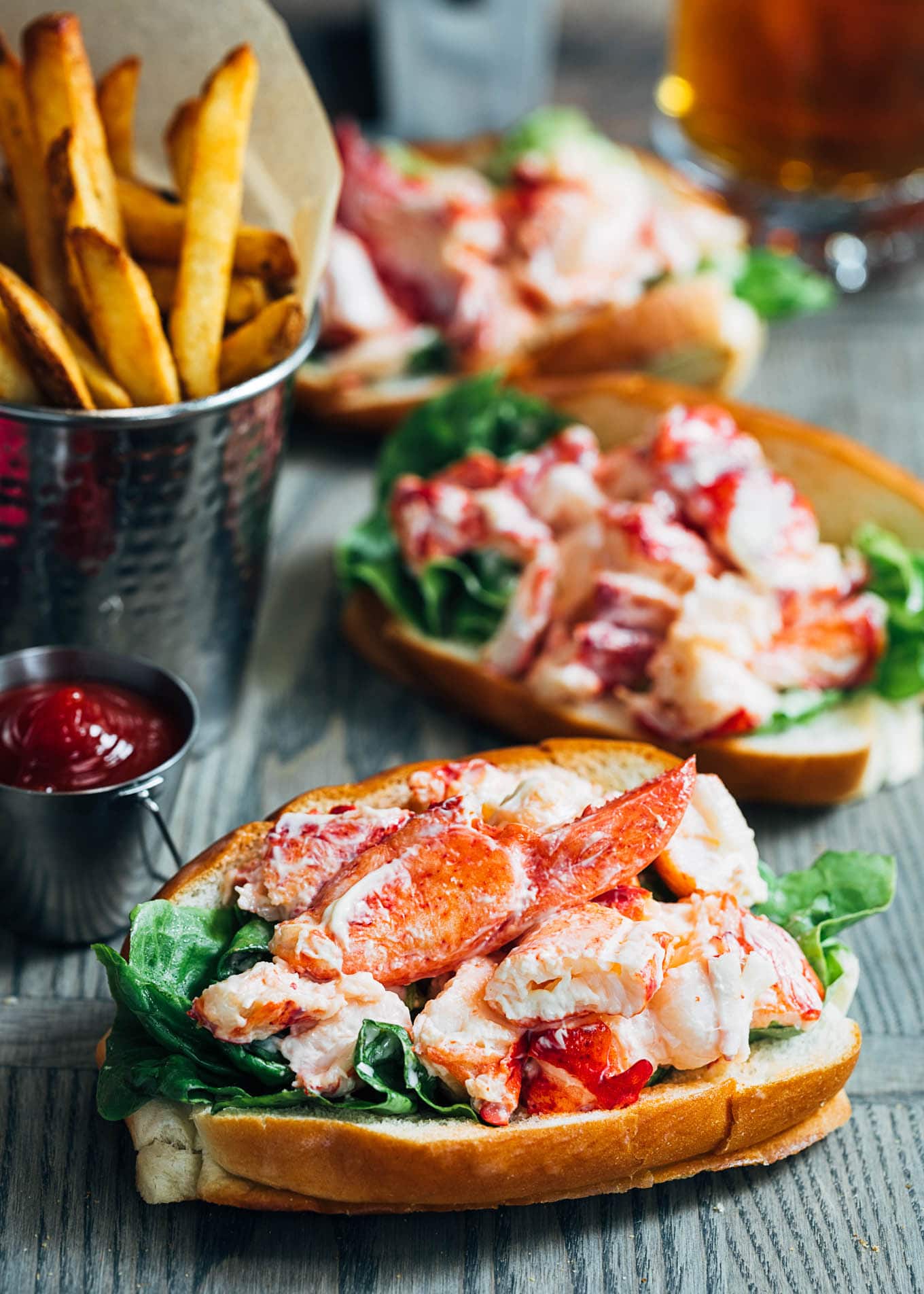
Boiling and steaming are the two go-to techniques for most home cooks, and both produce excellent results.
For boiling, fill a large stockpot with water and add roughly two tablespoons of salt per quart. Let it reach a full rolling boil, then lower the lobster headfirst. A one-pound lobster typically needs 10 to 12 minutes to cook through evenly.
Steaming takes a gentler approach. Pour about two inches of salted water into a pot and bring it to a boil. Set the lobster on a steaming rack above the liquid, cover tightly, and allow about 14 minutes per pound. The result is slightly more tender meat with a purer, sweeter taste.
Grilling as an Alternative
For something different, try splitting the lobster in half lengthwise. Brush the exposed flesh with butter or a light oil, then lay it shell-side down over medium-high heat.
Five to six minutes is usually enough. The shell chars just slightly, adding a smoky quality that pairs well with minimal seasoning.
Using Every Part of the Lobster
Most people focus on the tail and claws, but there is far more to a lobster than those two sections.
Inside the body cavity sits the tomalley, a soft green substance that serves as the animal’s liver and pancreas. It has a concentrated, briny flavor that works beautifully folded into sauces or whipped into compound butter.
Female lobsters also contain roe, which turns vivid red once cooked and adds both color and richness as a garnish.
Making Stock From Shells
After all the meat has been picked clean, the shells still have plenty to offer. Spread them on a sheet pan and roast at 400°F for about 20 minutes until they take on a deeper color.
Transfer those roasted shells into a large pot with onion, celery, a bay leaf, and enough cold water to cover everything.
A slow simmer for 45 minutes to an hour draws out remarkable flavor. Strain, cool, and store. This stock forms the base for bisques, chowders, and risottos. Frozen in batches, it keeps well for up to three months.
Storing Cooked Lobster Meat Safely
Leftover cooked meat should be placed in an airtight container and refrigerated, where it stays fresh for about 3 days. Freezing extends that window considerably.
Wrap individual portions snugly in plastic wrap, press out the air, and seal them in a freezer bag. Properly stored, frozen lobster holds its quality for four to six months.
Always thaw overnight in the refrigerator rather than on the counter to keep bacterial growth in check.
Conclusion
Getting the most out of a live lobster comes down to thoughtful handling at every stage.
Good storage keeps the animal healthy until it is time to cook. Careful preparation protects the texture and flavor of the meat.
Using the shells, tomalley, and roe stretches a single purchase across several dishes. None of it is complicated. It just takes a little patience and the willingness to treat a quality ingredient with the respect it deserves.