


As the pet food industry continues to evolve, there’s a growing focus not just on what pets eat, but how much they enjoy their meals. Pet owners today are more conscious than ever about the quality and appeal of the food they provide to their furry companions.
This shift has led to the widespread use of pet food palatants special ingredients designed to enhance the taste and aroma of pet food. But what exactly are they, and why are they becoming such a staple in modern pet nutrition?
In this in-depth article, we’ll break down what pet food palatants are, how they work, the types used in commercial foods, and how they contribute to both flavor and nutritional value. Whether you’re a pet owner, a manufacturer, or just curious about what goes into your pet’s bowl, this guide covers everything you need to know.
What Is Pet Food Palatants?
Definition and Role in the Pet Food Industry
Pet food palatants are additives or ingredients used to improve the taste, smell, and overall appeal of pet food. Think of them as flavor enhancers just like seasoning or spices in human food. While the primary purpose of pet food is to provide essential nutrients, palatants ensure that pets are excited to eat those nutrients.
These substances are carefully developed to match the sensory preferences of dogs, cats, and even exotic pets. Their role has grown significantly over the last two decades, as the demand for premium pet food with gourmet-like qualities has skyrocketed.
Brief History of Palatants in Commercial Pet Products
The use of palatants started gaining traction in the late 20th century when manufacturers realized that simply packing nutrients into pet food wasn’t enough especially for picky eaters. Early palatants were simple fat coatings or broth powders. Today, the science behind palatants has become more sophisticated, using natural extracts, enzymatic hydrolysates, and even probiotics to appeal to pets’ taste receptors.
How Palatants Work: The Science of Flavor and Smell
Understanding Pet Taste and Smell Receptors
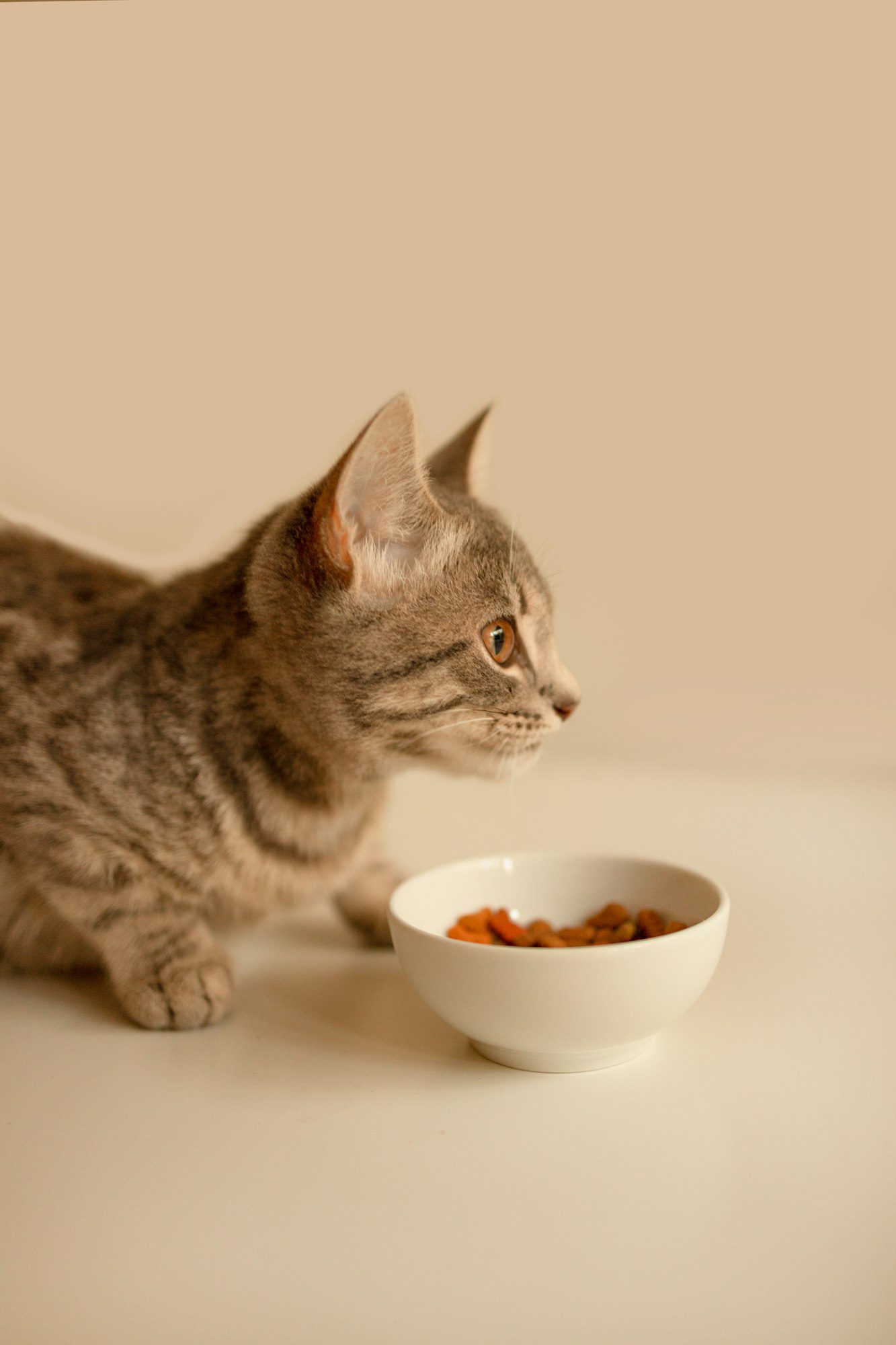
Dogs and cats perceive food differently from humans. While humans rely heavily on taste, pets are far more sensitive to smell. Dogs, for example, have over 200 million scent receptors in their noses, compared to about 5 million in humans. Cats, although more finicky, also depend heavily on aroma to determine whether a food is appealing.
Palatants are designed to stimulate these olfactory senses first. Once the smell is appealing, the flavor compounds kick in to ensure the food is not only sniffed but consumed enthusiastically.
How Palatants Stimulate Appetite and Increase Consumption
By targeting specific receptors in a pet’s nose and mouth, palatants enhance the overall eating experience. For pets that are older, ill, or simply picky, palatants can reignite interest in food. This is especially valuable in veterinary diets or prescription foods where appetite suppression is common due to illness or medication.
Types of Pet Food Palatants Used Today
Natural vs. Artificial Palatants: Key Differences
Pet food palatants come in a variety of forms, but they’re often classified into two main categories: natural and artificial.
Natural palatants are derived from real meat, fish, liver, or other animal products. They can include hydrolyzed proteins, natural broths, or yeast extracts. These are often seen in premium or holistic pet foods that emphasize clean-label ingredients.
Artificial palatants, on the other hand, are chemically synthesized to mimic flavors and aromas. While cost-effective and shelf-stable, they are increasingly being replaced or complemented by natural alternatives due to growing consumer preference for cleaner ingredients.
Common Ingredients Found in Palatants
Some of the most commonly used ingredients in palatants include:
- Poultry or beef liver hydrolysates
- Fish protein concentrate
- Yeast extracts and derivatives
- Digest (enzymatically broken-down protein)
- Fat coatings (chicken fat, pork fat, etc.)
These ingredients are often applied after the kibble or food is cooked, as a coating, to preserve flavor and aroma.
Liquid vs. Dry Application Methods
Palatants are applied either in liquid or dry form, depending on the type of pet food. Liquid palatants are often sprayed onto kibble post-production, while dry powders may be blended into treats or semi-moist foods. Both forms are carefully measured to ensure palatability without overpowering the nutritional formulation.
Benefits of Using Palatants in Pet Food

Enhanced Palatability for Picky Eaters
Many pets, especially cats, are notoriously fussy eaters. A high-quality palatant can make the difference between a bowl that’s ignored and one that’s licked clean. This is particularly helpful for pets recovering from illness or transitioning to a new diet.
Improved Nutrient Intake and Digestive Health
When a pet consistently consumes its meals, it naturally benefits from the intended nutritional content. Palatants help ensure regular eating habits, which are critical for digestion and absorption of nutrients. For pets with specific dietary needs, palatants can mask the taste of medicinal or bland foods.
Increased Pet Owner Satisfaction and Loyalty
Pet owners often judge the quality of pet food based on how eagerly their animals eat it. Foods enhanced with effective palatants tend to be more positively reviewed and recommended, helping brands build loyalty and trust.
The Nutritional Impact of Palatants
Do Palatants Contribute to Nutrition or Just Flavor?
Although the primary function of pet food palatants is to improve taste and smell, many of them offer some nutritional value as well. Liver-based hydrolysates, for example, are rich in amino acids. Yeast extracts can provide B vitamins and other micronutrients. So, while palatants aren’t a core nutrient source, they often contribute more than just flavor.
Fortified Palatants: Adding Vitamins, Minerals, and Probiotics
Some manufacturers are now using fortified palatants that go beyond simple taste enhancement. These advanced formulations include added benefits like:
- Omega-3 and Omega-6 fatty acids
- Antioxidants for immune support
- Probiotics for gut health
- Anti-inflammatory agents
These fortified palatants help bridge the gap between flavor and function, offering a complete sensory and health solution.
Quality and Safety Standards in Palatant Manufacturing
Regulatory Guidelines by AAFCO, FDA, and Global Authorities
The production of pet food palatants is regulated by agencies such as the Association of American Feed Control Officials (AAFCO) and the U.S. Food and Drug Administration (FDA). These bodies ensure that the ingredients used are safe for pet consumption and are properly labelled.
International manufacturers may also follow EU regulations or ISO standards. Reputable palatant producers go through rigorous testing, including sensory evaluation, nutritional analysis, and shelf-life studies.
Sourcing, Traceability, and Clean Label Trends
In today’s market, transparency is everything. Pet owners want to know not just what ingredients are in their pet’s food, but also where they come from. This has led to the rise of “clean label” palatants that are traceable back to their original source. Ethical sourcing and sustainability are also becoming crucial factors in palatant development.
Innovations and Trends in Palatants for 2025 and Beyond
Use of Functional Palatants for Health Benefits
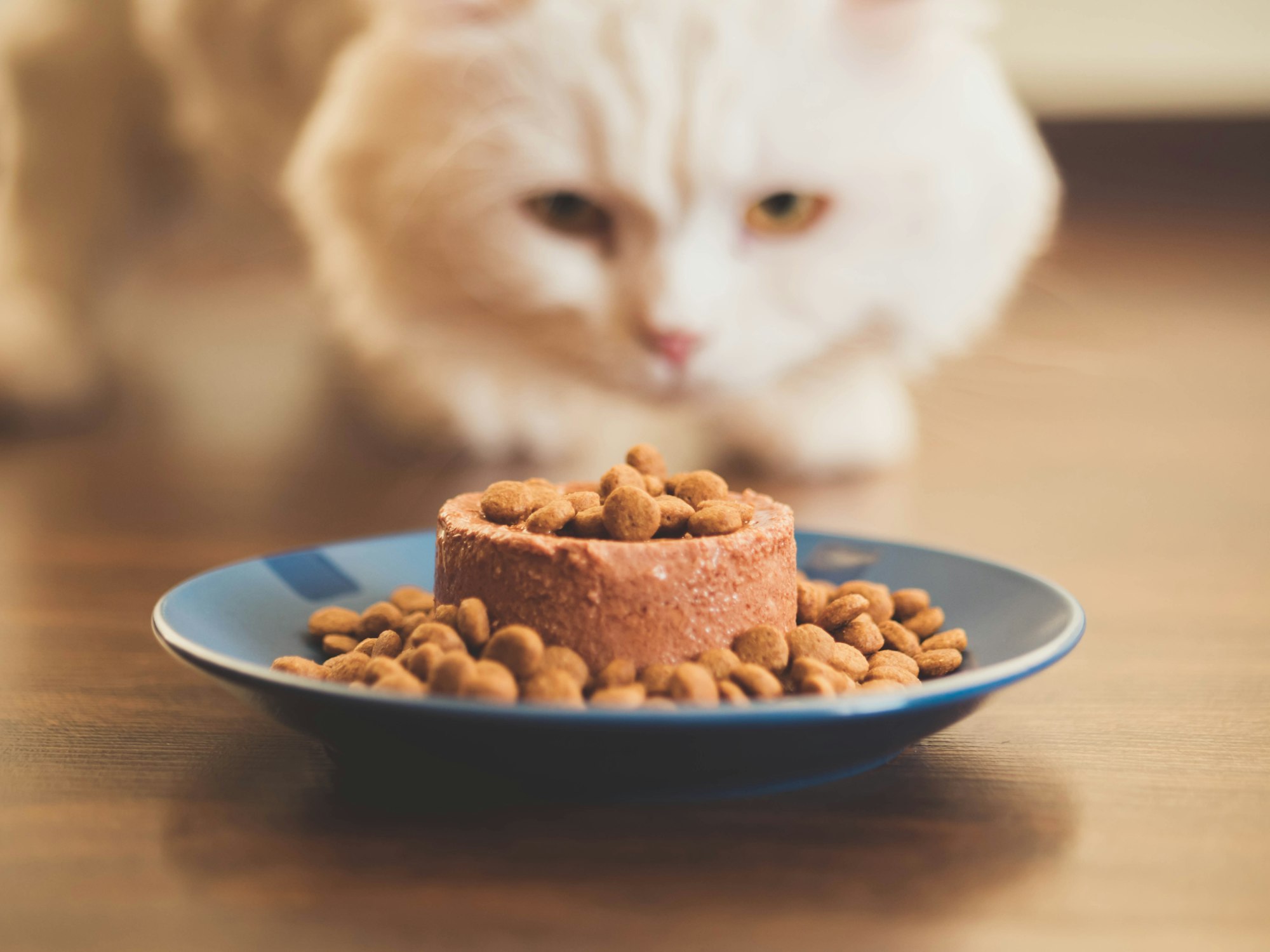
The latest trend in the pet food industry goes beyond just taste it’s about creating functional palatants that offer real health benefits alongside improved flavor.
These advanced palatants are now being formulated with ingredients that support joint health, skin and coat condition, cognitive function, and immune support.
For instance, a palatant might be infused with turmeric for its anti-inflammatory effects or DHA for brain development in puppies and kittens.
As pets live longer and owners become more aware of age-related health concerns, the demand for such multifunctional solutions is on the rise. This shift reflects a broader move toward preventive pet healthcare through diet.
Sustainability and Ethical Sourcing in Palatant Production
As environmental awareness grows among consumers, the pet food sector is under increasing pressure to reduce its ecological footprint. Manufacturers of pet food palatants are responding by using sustainably sourced ingredients like fish trimmings, insect protein, or by-products from the human food industry that would otherwise go to waste.
Some companies are investing in regenerative agriculture, eco-friendly processing methods, and carbon-neutral packaging as part of their sustainability initiatives. These efforts not only meet regulatory requirements but also align with the values of today’s eco-conscious pet parents.

Customized Palatants for Breed, Age, and Health Conditions
Just as human nutrition is becoming more personalized, so is pet food. Companies are beginning to formulate palatants tailored to specific breeds, life stages, or medical needs. A palatant for a senior Labrador, for example, might contain joint-supportive compounds and mild flavors for sensitive digestion, while one for an active Siamese cat could emphasize higher protein and stronger aroma.
This level of customization helps ensure that every pet no matter its age or condition gets a meal it not only enjoys but also benefits from.
How Pet Owners Can Identify High-Quality Pet Food with Palatants
Decoding Ingredient Labels and Claims
For the average pet owner, choosing food that contains safe and effective palatants can be confusing. Look for transparency in the ingredient list. Terms like “natural flavor” are vague, but specific names such as “chicken liver hydrolysate” or “fish digest” indicate a more trustworthy product.
It’s also helpful to check whether the food follows AAFCO guidelines and whether the brand discloses sourcing practices. Avoid products that list artificial colors or undefined meat sources, as these may indicate low-quality palatants or fillers.
Questions to Ask Brands and Manufacturers
When in doubt, reach out to pet food brands directly. Ask questions like:
- What type of palatants are used in your formulas?
- Are your palatants natural, artificial, or a blend?
- Are the flavoring ingredients tested for quality and safety?
- Do you source from USDA- or EU-approved facilities?
Reputable companies will be happy to share this information and even provide certificates of analysis or sustainability reports.
Conclusion
Pet food palatants have quietly revolutionized the way pets eat. No longer just additives for flavor, today’s palatants are developed with science, health, and sustainability in mind.
They play a vital role in encouraging healthy eating habits, especially for picky, sick, or aging pets.
More than that, they help bridge the gap between nutrition and enjoyment, ensuring that every bite delivers both taste and benefit.
As the industry continues to innovate, and as pet owners become more informed, the demand for high-quality, responsibly sourced, and nutritionally valuable pet food palatants will only grow.
Whether you’re choosing food for your beloved companion or creating products as a manufacturer, understanding palatants is key to improving both health and happiness at mealtime.