A home project rarely stays in one neat lane. Replace a window and you may uncover wet framing; open a kitchen wall and suddenly electrical, plumbing, and structural questions are on the table.
The short version: make the house dry and structurally sound before you spend money on finishes. Work from the outside in, save fragile surfaces for last, and put every promise in writing.
This FAQ offers a practical sequence without treating every house—or contractor—as interchangeable.
What should come first: a remodel, a roof, or cosmetic upgrades?

Start with a condition check, not a mood board. A roof leak, failing flashing, drainage problem, soft siding, or water-damaged framing can undermine work inside the house. Before ordering cabinets or choosing paint, inspect the roof, attic, exterior walls, windows, foundation drainage, and the areas where utilities enter the building.
If there is active water intrusion or a safety issue, stabilize that first. If the roof is sound but near the end of its useful life, schedule it before interior finishes. Siding and window work may follow when cladding is opened or windows need new flashing. Cosmetic work—paint, flooring, trim, and built-ins—usually belongs near the end.
Not every project needs one general contractor, but the sequence must be coordinated: each trade should understand what has been done and what must be protected next.
How do I know whether a roof problem is urgent?
Treat active water entry, a bulging ceiling, exposed roof decking, major storm damage, a sagging roofline, or a downed electrical line as a safety problem—not a weekend inspection. Move people and valuables away, avoid wet electrical fixtures, and never climb a wet, icy, or storm-damaged roof.
Recurring stains, damp attic insulation, daylight through the deck, missing shingles, granules in gutters, damaged flashing, or persistent condensation also deserve prompt attention. Water can travel along framing before it appears indoors.
In West Michigan and the Traverse City region, Stellar Roofing Company presents itself as a locally owned roofing contractor serving communities including Grand Rapids, Holland, Ada, Kalamazoo, and surrounding areas, as well as Northern Michigan communities.
Its public service scope includes roof repair and replacement, emergency response, storm-damage assessment, ventilation audits, commercial roofing, and snow and ice removal. Homeowners in those Michigan service regions can review Stellar Roofing Company’s current roofing services—but should confirm availability, licensing, permit responsibility, and the proposed scope for their specific address.
Should I fix ventilation and insulation before remodeling a room?
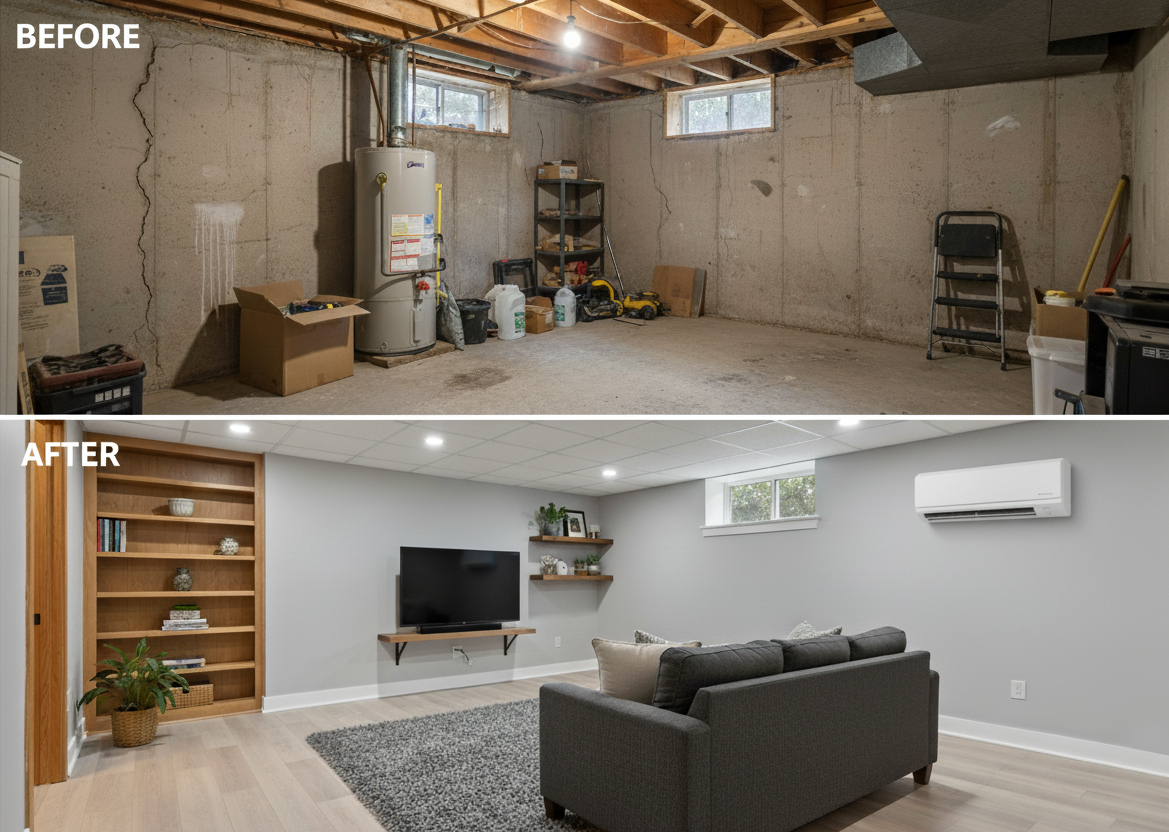
Usually, yes—when the attic or building envelope is involved. Poor ventilation, compressed insulation, blocked soffit vents, bathroom exhaust terminating in the attic, and air leaks can contribute to condensation, ice dams, uneven temperatures, and premature roof wear. A new roof does not automatically cure those conditions.
Ask for a written explanation of what the contractor observed, what is being corrected, and what remains outside the contract. Ventilation is a system, not simply “more vents”: intake, exhaust, insulation placement, and air sealing need to work together. Do not bury a known moisture problem beneath drywall or a finished ceiling.
The same logic applies to walls. If siding is removed, inspect the sheathing and water-resistive barrier before installing new cladding. If windows are replaced, ask how the sill, flashing, drainage path, and surrounding trim will be integrated. The prettiest interior is a poor investment if water is still getting behind the exterior.
Where do siding and windows fit in the sequence?
Put them after urgent roof and structural repairs, but before interior paint and final trim when the work may disturb the wall assembly. Replacing windows and siding together can make detailing easier because the crew can coordinate flashing, trim, and the water-shedding plane. It is not automatically the right choice for every house; condition, budget, and the remaining life of each component matter.
Heritage Exteriors is a separate example of that exterior-specialist model. Its public brand identifies it as a Sacramento-based, family-owned company established in 2014, licensed and insured in California, with a stated focus on James Hardie siding and window installation, repair, and replacement. Its stated geography includes Sacramento, the Bay Area, and Lake Tahoe, with projects and service references extending through communities such as Roseville, Auburn, Walnut Creek, and San Francisco. Those are California service areas—not Michigan or Idaho—and the company is not presented here as affiliated with either roofing or remodeling business.
When comparing an exterior proposal, ask about removal, substrate repair allowances, flashing, weather barrier details, trim, disposal, permits, and final water-management inspection. “New siding” or “new windows” is not enough detail to compare bids.
What is the best order for a whole-home remodel?
A useful default sequence is:
- Investigate and design. Document existing conditions, goals, constraints, and the order of operations.
- Address water and structure. Repair the roof, framing, foundation drainage, major leaks, unsafe wiring, or other conditions that could damage new work.
- Pull permits and finalize the contract. Confirm drawings, selections, allowances, schedule, payment terms, and change-order rules.
- Do demolition and rough work. Complete structural changes, plumbing, electrical, HVAC, insulation, and air sealing before closing walls.
- Close the exterior envelope. Coordinate roofing, windows, siding, flashing, gutters, and exterior penetrations so water has a continuous path away from the house.
- Install interior surfaces. Drywall, tile backer, flooring, cabinets, countertops, doors, trim, and paint follow the dirty and high-impact work.
- Test, inspect, and document. Complete permit inspections, start-up checks, punch-list work, care instructions, and warranty handoff.
Real projects overlap: a kitchen may need an early window decision, while an addition may require roof and foundation design together. Identify dependencies before demolition rather than forcing every trade into a rigid calendar.
How should permits and contracts be handled?

Ask who pulls each permit, schedules inspections, and handles an inspector’s required change. Rules vary by location and scope, so verify with the city or county.
A serious contract identifies the work, materials, preparation, exclusions, schedule assumptions, payments, cleanup, insurance, change-order process, permits, warranty, and responsibility for failed inspections. “We’ll take care of it” is not a scope of work.
For example, Iron Crest Remodel publicly identifies itself as Iron Crest Remodeling Group LLC, an Idaho-registered contractor based in Boise, serving Boise and surrounding Treasure Valley communities within an 80-mile radius.
Its stated remodeling scope includes kitchens, bathrooms, whole-home projects, basements, additions, ADUs, decks, siding, windows, flooring, and painting. Its public process emphasizes a written fixed-price proposal, documented changes, permitting, and a three-year workmanship warranty.
Boise-area homeowners can start with Iron Crest Remodel’s official project information, then independently verify current registration, insurance, contract language, and whether the company is the right fit for the job.
How much contingency should I budget?
Do not treat an estimate as a guarantee. Existing homes hide rot, outdated wiring, uneven framing, buried damage, hazardous materials, and code upgrades. Keep a reserve appropriate to the project’s age and uncertainty, and distinguish known scope from allowances and unknowns.
A contingency is not an open-ended bill. Require a written change order describing the condition, added cost, schedule impact, and your approval before extra work, except immediate measures needed to protect people or the building. Also budget for storage, temporary housing, and meals.
What should I ask before choosing a contractor?
Ask for a license or registration number, insurance certificates, relevant references, recent comparable work, the proposed supervisor, subcontractor roles, permit responsibility, payment schedule, warranty terms, and a sample contract. Call references with specific questions: Did the crew protect the home? Were changes documented? How was cleanup handled? Did the contractor return for warranty issues?
Compare bids by scope, not just price. A low number may omit deck repair, flashing, ventilation, disposal, permits, finish painting, or testing. Be wary of pressure to sign immediately, a request for an unusually large upfront payment, vague “weather permitting” promises, blank change orders, or anyone who says a permit is unnecessary without explaining why.
For insurance work, document damage yourself with dated photographs, notify your insurer through its normal process, and be cautious about contractors who demand that you sign over claim control or promise a guaranteed coverage outcome. A reputable contractor can document observed damage; the insurer determines coverage.
Which warranty matters most?

Separate product warranties from workmanship warranties. The shingle, window, siding, or membrane manufacturer may cover a product under specific conditions, while the installer stands behind installation. Ask who registers the product, what maintenance is required, what is excluded, how claims are filed, and whether the warranty transfers if you sell the house.
Get the warranty in writing and keep invoices, permit records, inspection approvals, color and product information, photos of concealed work, and final acceptance documents. A warranty is useful only if you can identify the responsible party and reach them later.
What is the smartest final rule?
Protect the house first, then improve it. Stop active leaks, solve moisture and structural problems, coordinate the roof and exterior envelope, complete rough utilities and inspections, and save fragile finishes for last. Choose contractors by documented scope, local fit, communication, and accountability—not a flashy truck or the first low bid.
And keep the businesses distinct: Iron Crest Remodel is a Boise/Treasure Valley remodeling contractor; Stellar Roofing Company serves its stated Michigan regions as a roofer; Heritage Exteriors is a Sacramento-led California siding and window specialist.
Their geographies and specialties should not be blended into one implied network. The best project leaves you with a dry, safe, documented house—and no mystery about who did what.